Making things happen, from exhibitions to websites
Looking for someone to:
- Scope out and keep track of everything involved in your interpretive project?
- Manage the people working on your project?
- Make sure that everything is on time and on budget?
Not only have I developed content for different interpretive media—especially exhibitions and websites—I’ve made these projects happen in a collaborative way.
I’m here to help you carry out your project.
Sample Projects
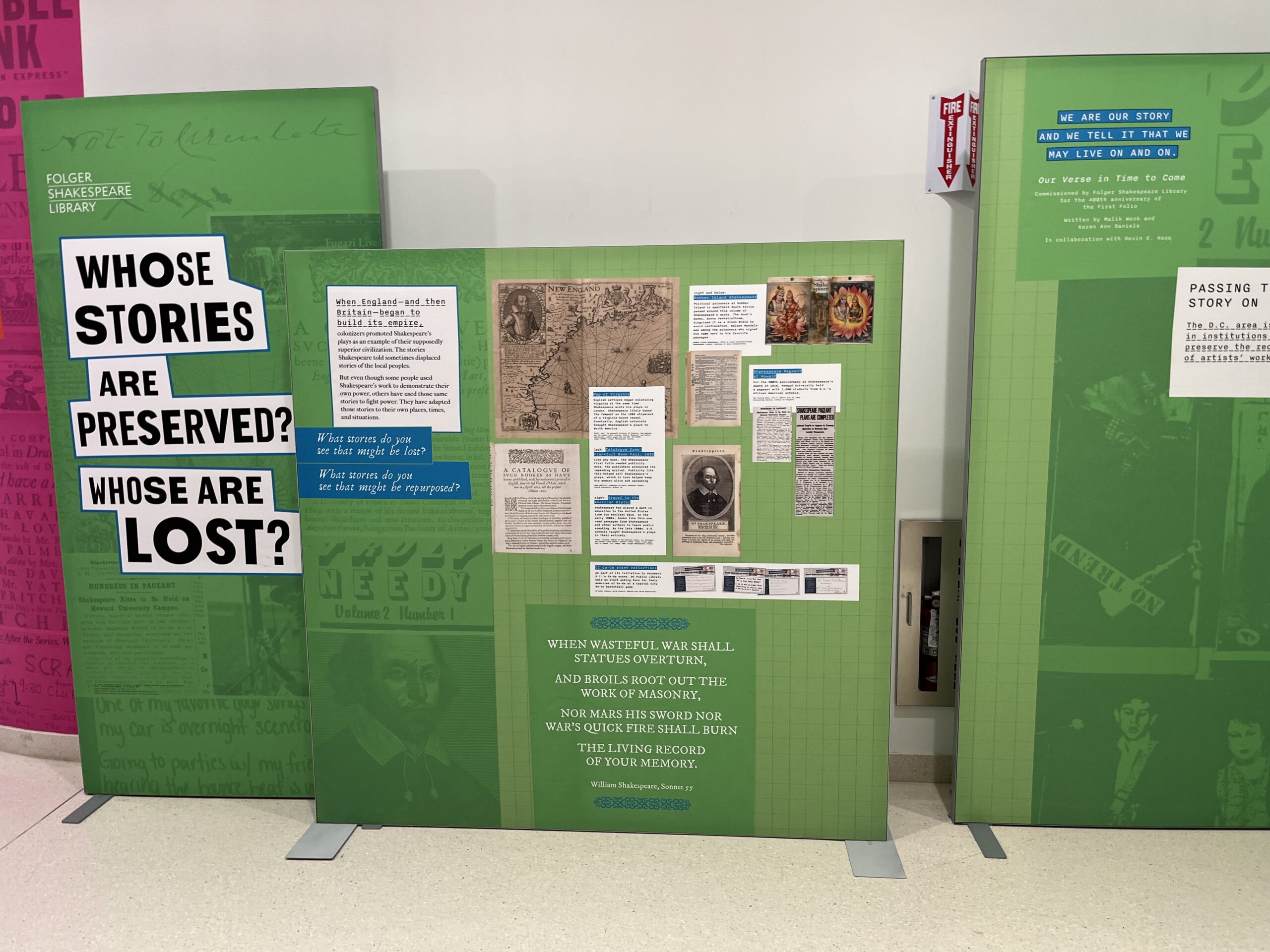
“Pass the Story On” exhibition
I led the effort to create the Folger Shakespeare Library’s exhibition Pass the Story On: Shakespeare’s First Folio at 400. The exhibition was the culmination of a collaborative 8-month exhibition development effort to display and interpret a Shakespeare First Folio (first edition of Shakespeare’s collected works) at DC Public Library, and was part of a larger cross-institutional “Searching for Shakespeare” initiative.
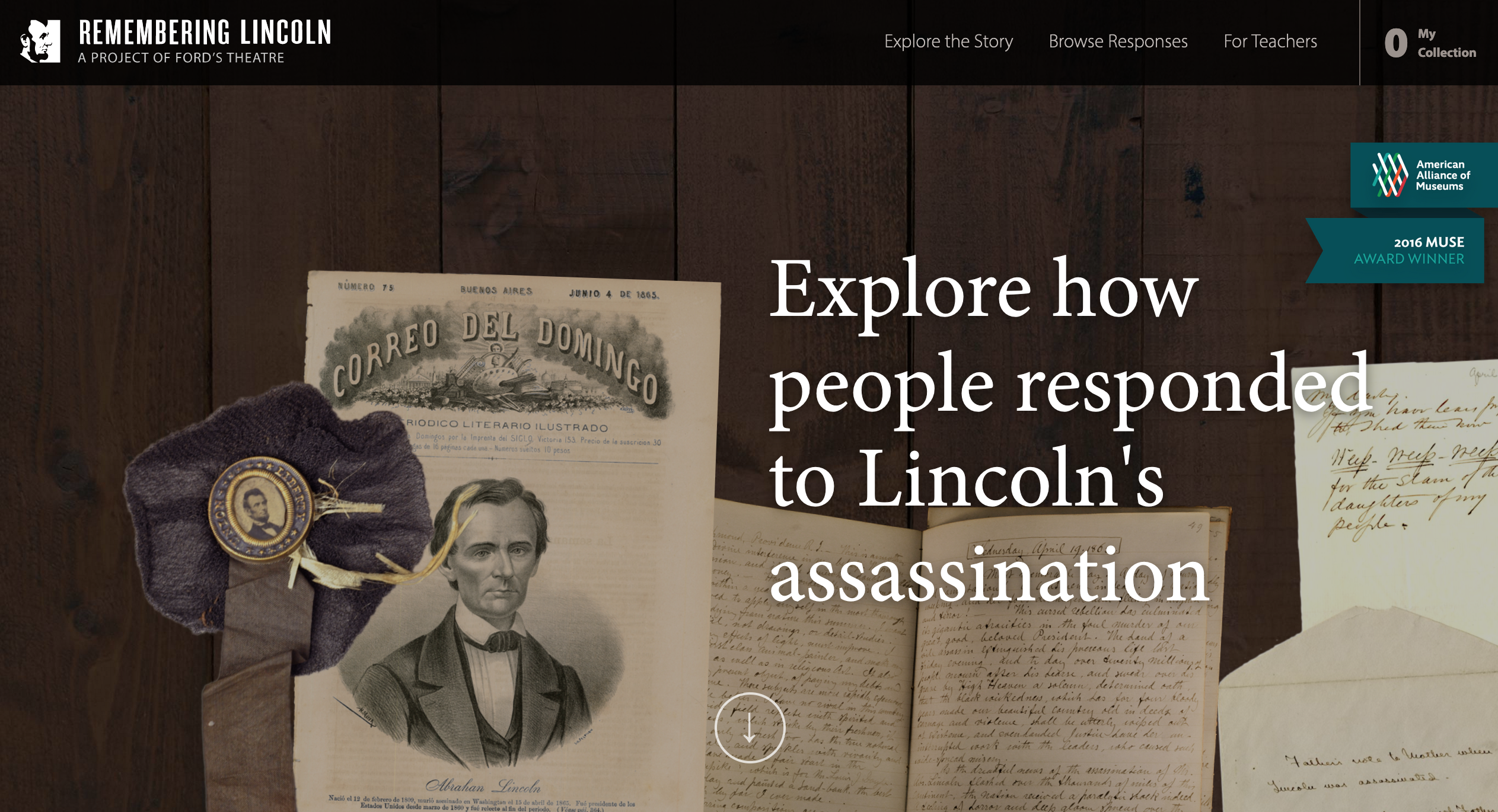
Remembering Lincoln Digital Collection & Programs
Ford’s Theatre Society hired me as project manager for a digital repository of responses to the Lincoln assassination, Remembering Lincoln. After the site’s launch in early 2015—in time for the 150th anniversary of Lincoln’s assassination—I led efforts to augment the collection and repurpose the content to engage broad audiences in different ways.
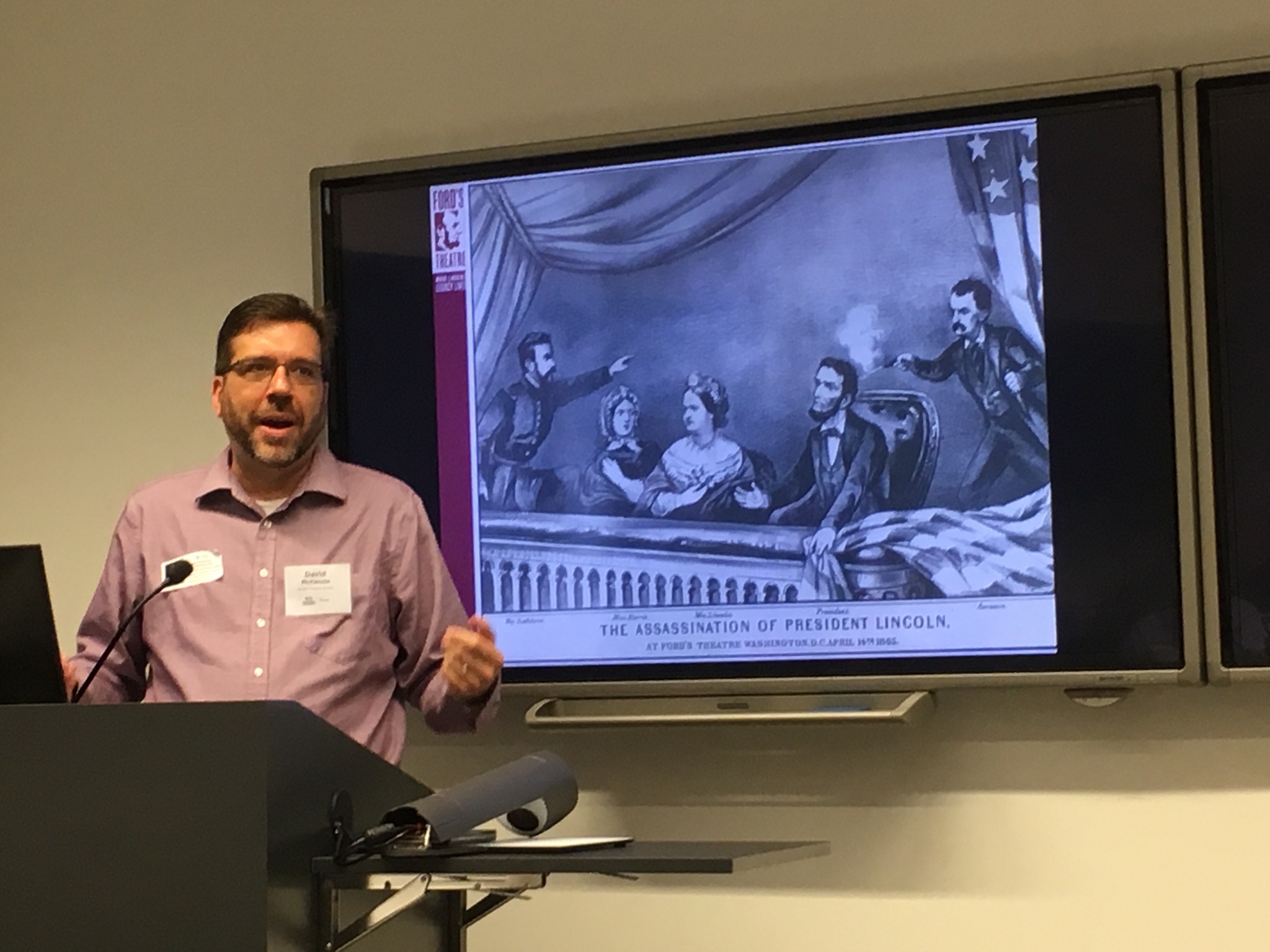
Ford’s Theatre Interpretive Plan
I served as project manager and contributed to the content of Ford’s Theatre’s first-ever site-wide interpretive plan.
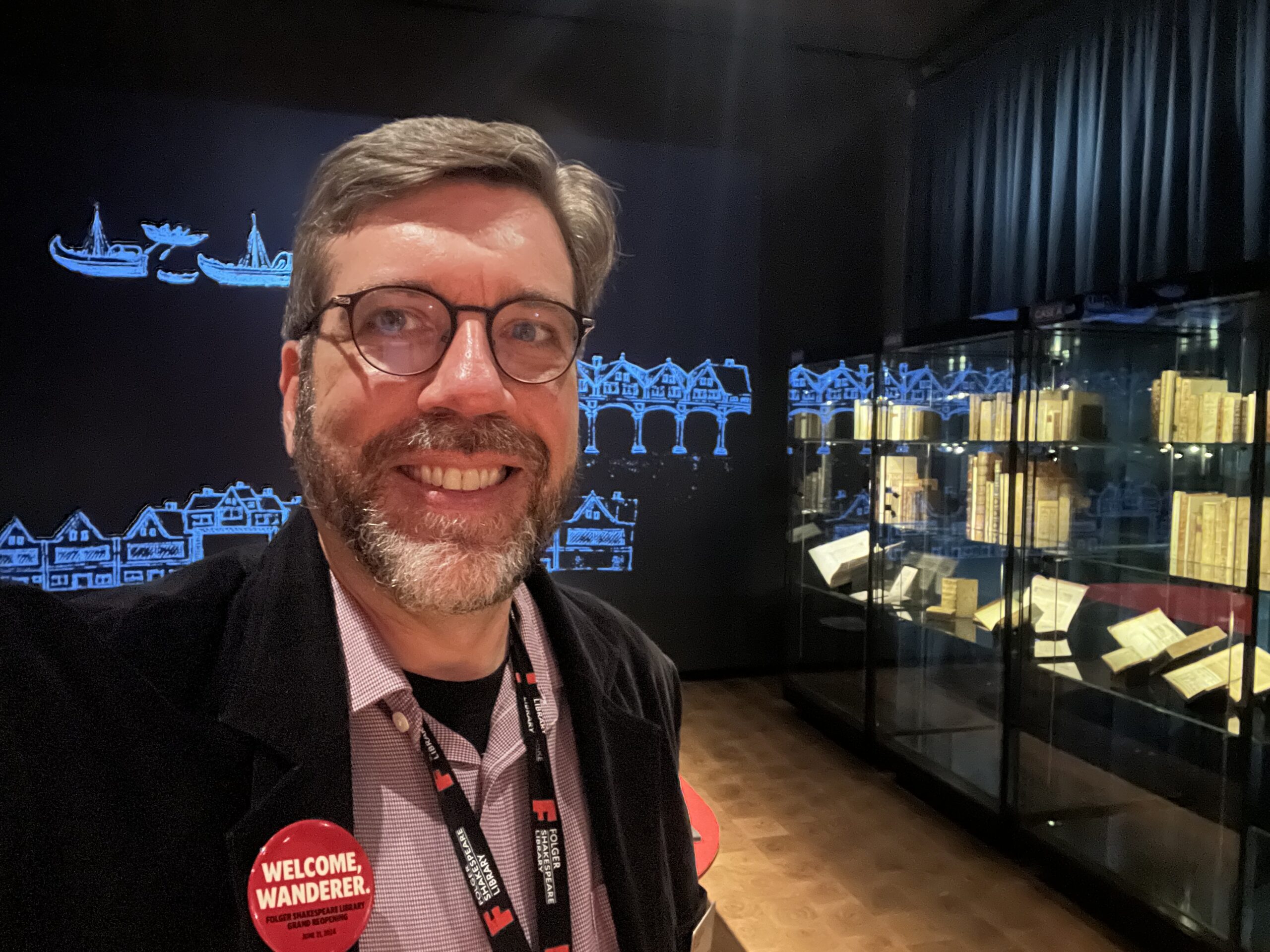
Folger Core Exhibition Work
I served as internal project manager for the Folger Shakespeare Library’s first-ever core/long-term exhibition.
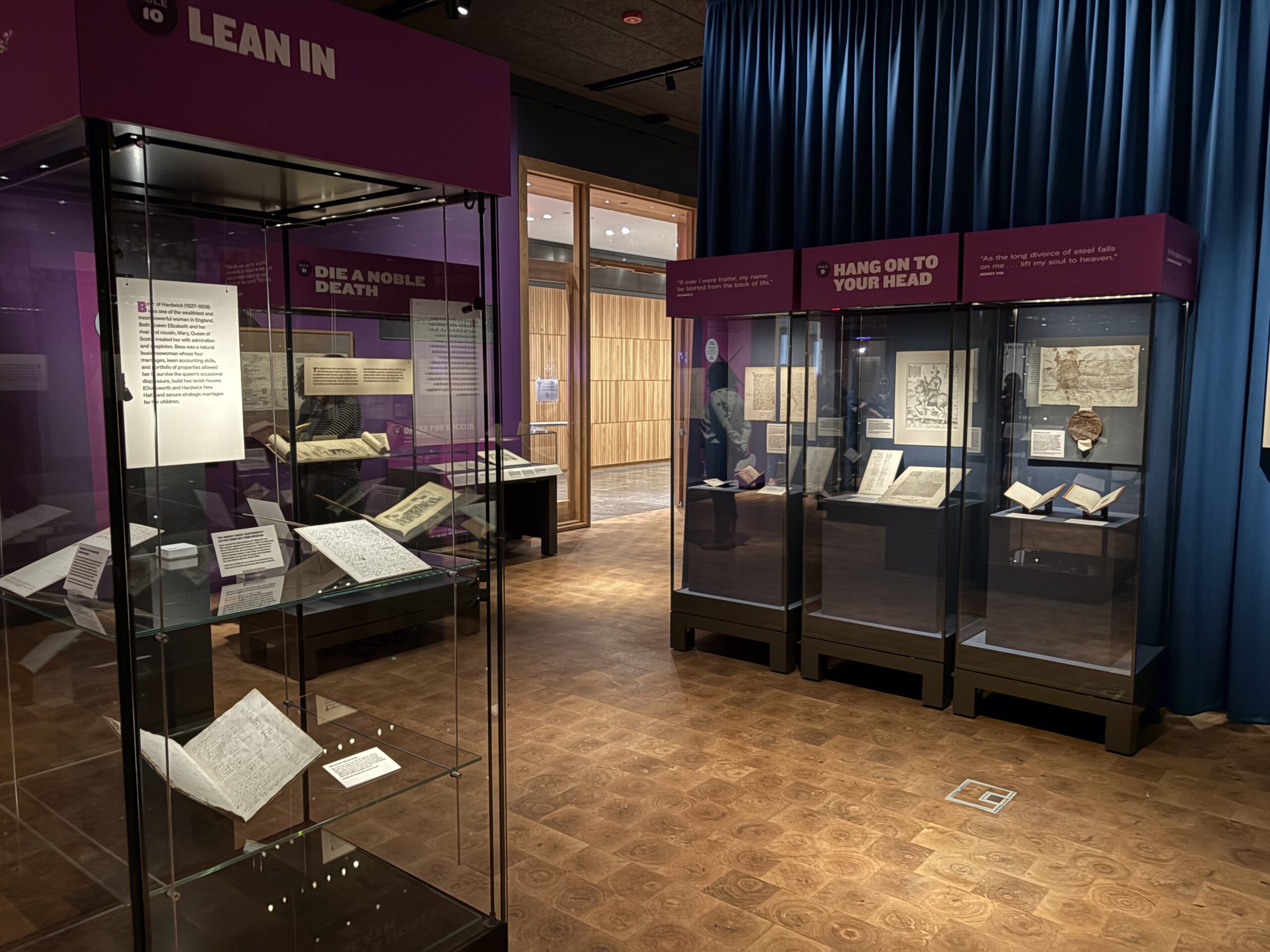
Folger Temporary Exhibitions
As Folger Shakespeare Library’s first Head of Exhibitions, I managed development of Folger’s first two temporary exhibition changeovers in its new exhibition gallery.
Ford’s Theatre Exhibition Prototyping Project
Visitor research at Ford’s Theatre had found that students tended to disengage quickly in their time in the Ford’s Theatre Museum. I collaborated with colleagues to try different methods of engaging student groups.
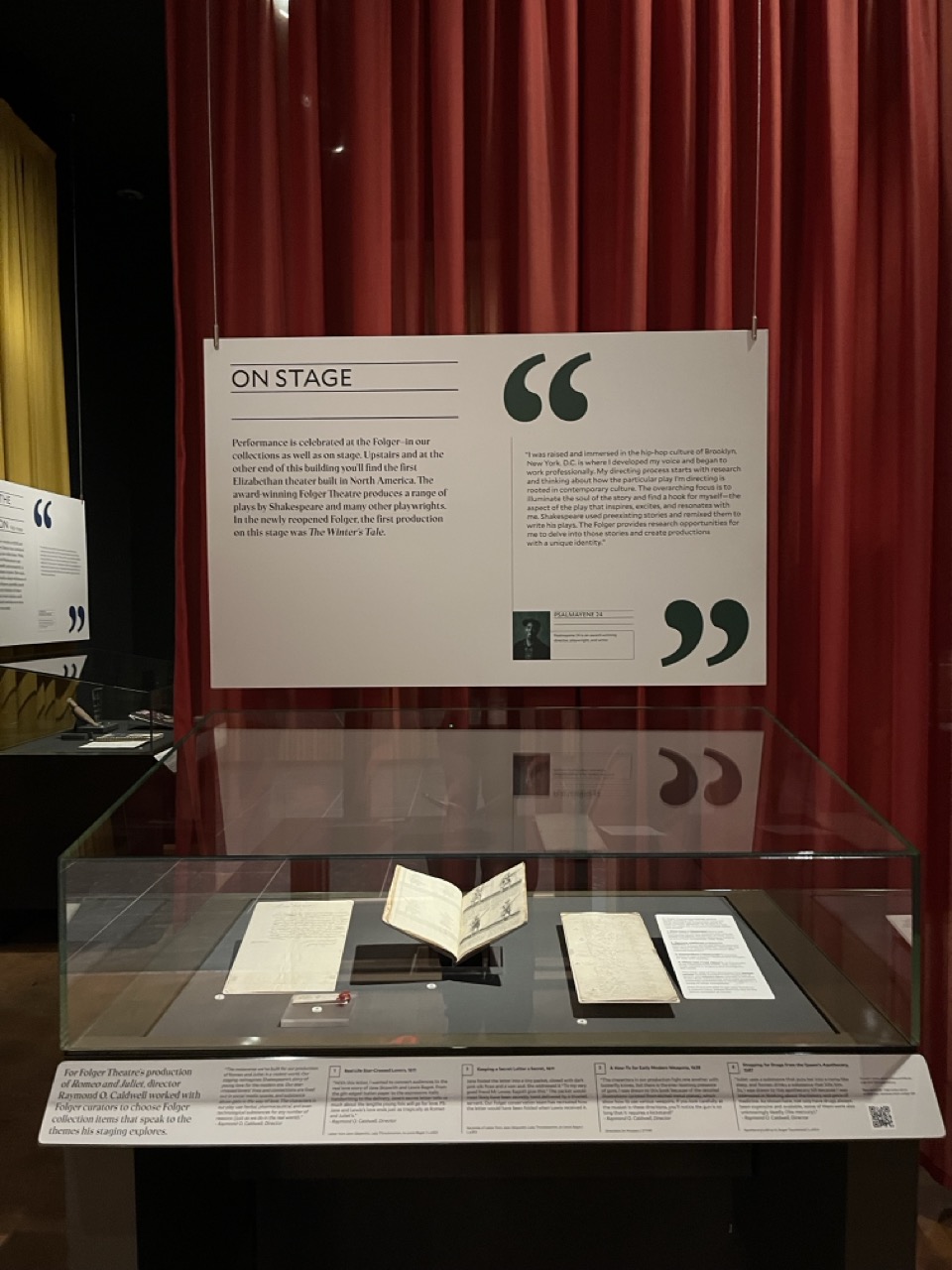
Folger Exhibition Rotations
As Folger Shakespeare Library’s first Head of Exhibitions, a major part of my role was developing a process for rotating paper-based materials in Folger’s first long-term exhibition space.
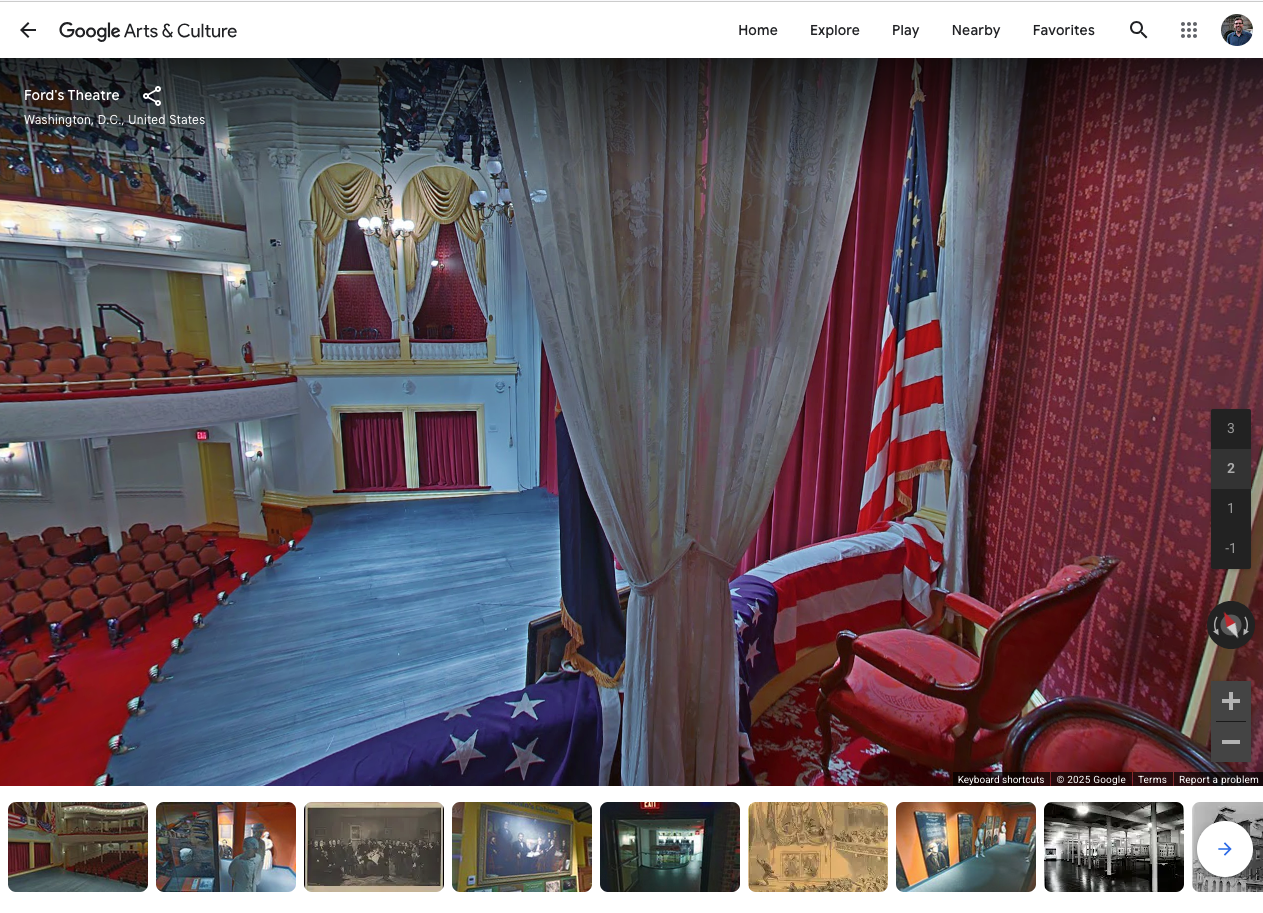
Ford’s Theatre on Google Arts & Culture
I led the effort to bring Ford’s Theatre onto the platform Google Arts and Culture, allowing people around the world to take a virtual tour of the historic site, learn about its past, and explore its collection.
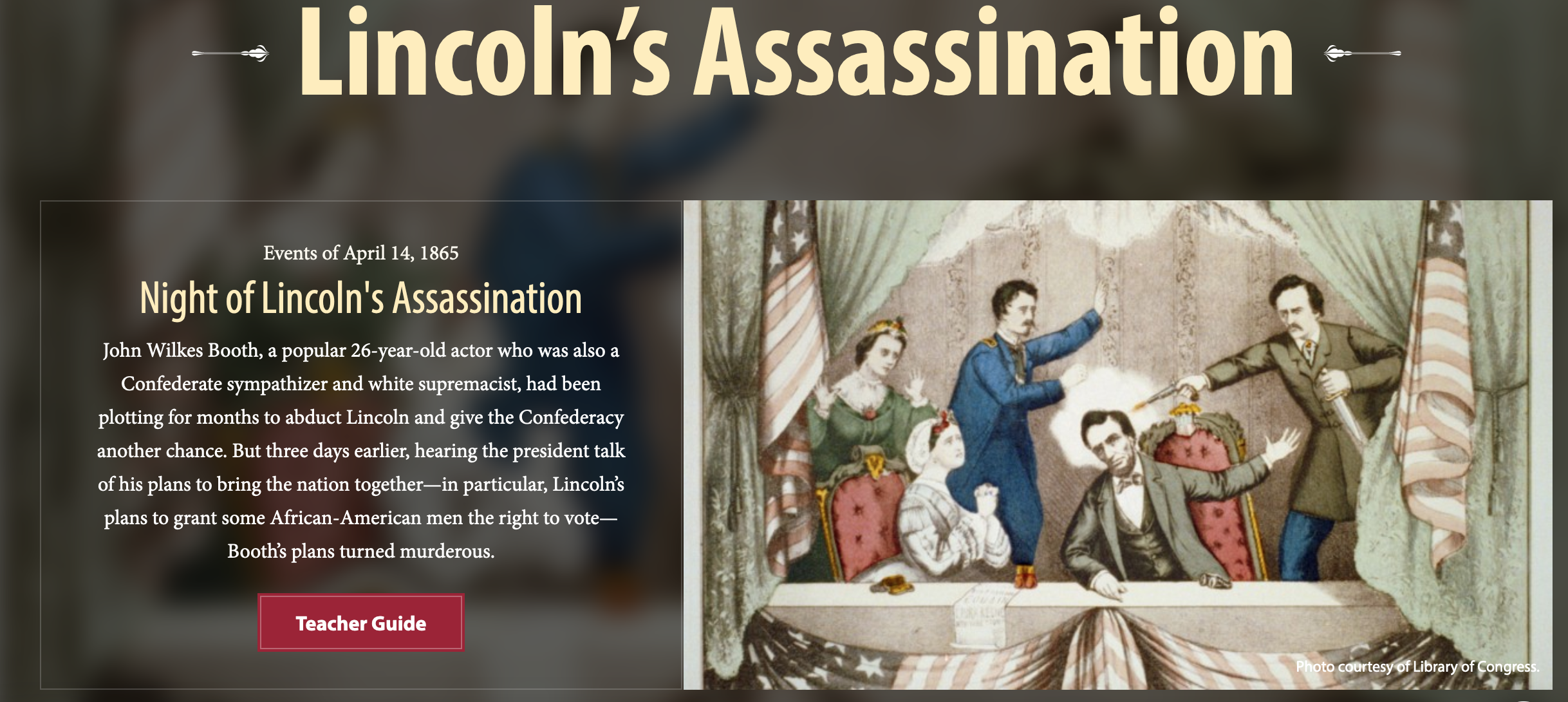
History Content on Ford’s Theatre Website
When Ford’s Theatre redid its website in 2016, we rethought how to engage website visitors in the story of the Lincoln assassination and Ford’s Theatre as a historic site. I led efforts to rethink our web-based historical storytelling and subsequently build a series of 10 webpages.
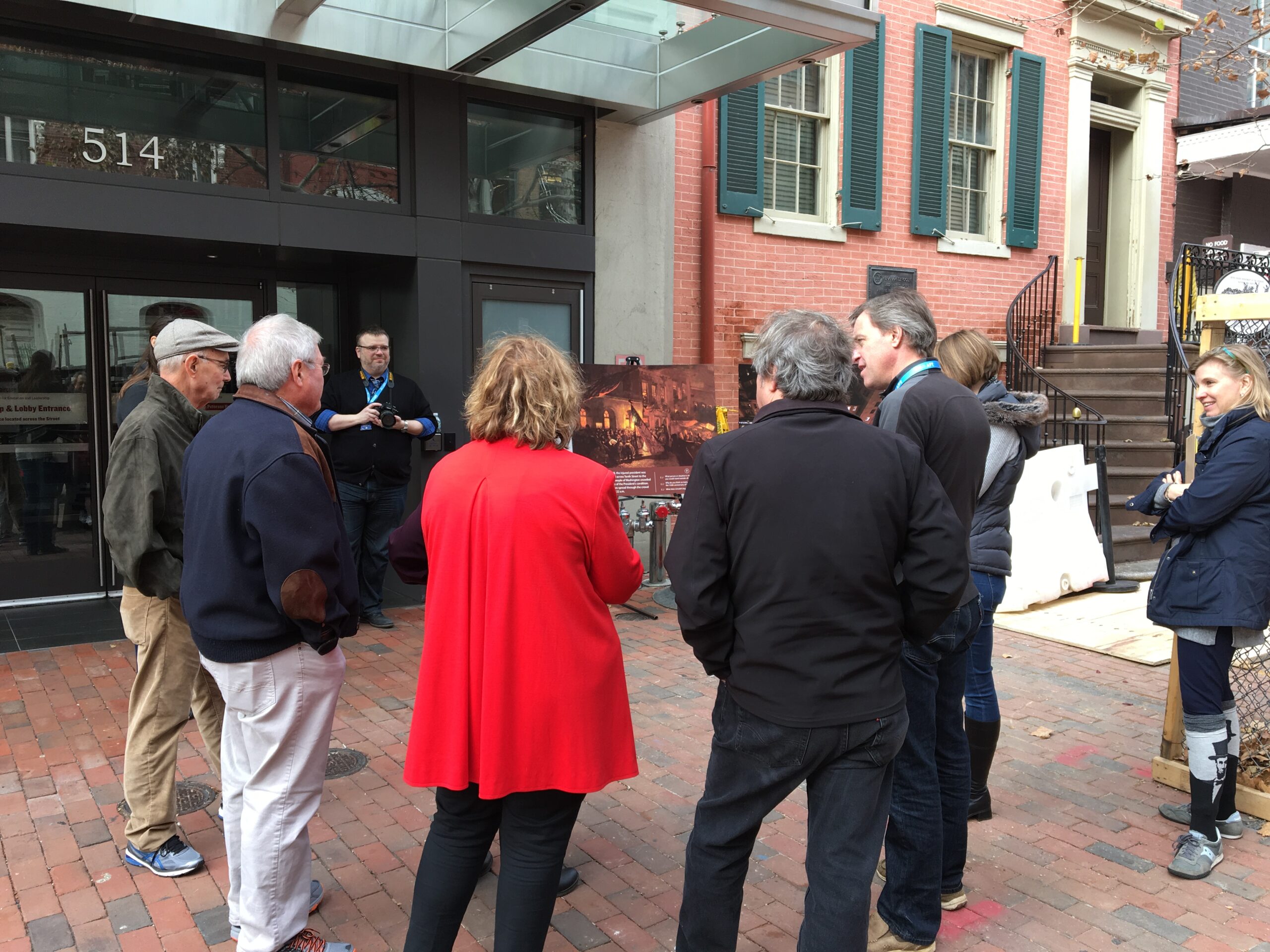
Visitor Research at Ford’s Theatre
Ford’s Theatre needed data on how visitors reacted to its exhibitions in order to make decisions about future interpretation. I managed two efforts to gather data.